

For a few years, a restaurant on West 38th Street served every meal in total darkness. Dans le Noir was unusual, to say the least. Upon arrival, guests turned over their smartphones and were led through a series of light-blocking tunnels into a pitch-black dining room. A guide helped each of them find a chair, then the silverware, by touch. An entire meal followed, eaten in the dark.
Guests came out describing how they’d changed. They leaned on their waiters more than they would anywhere else and trusted whatever arrived on the plate, judging it by taste and smell alone. Most intriguing, people noticed they had lowered their voices, and that the strangers seated beside them had started confessing secrets.
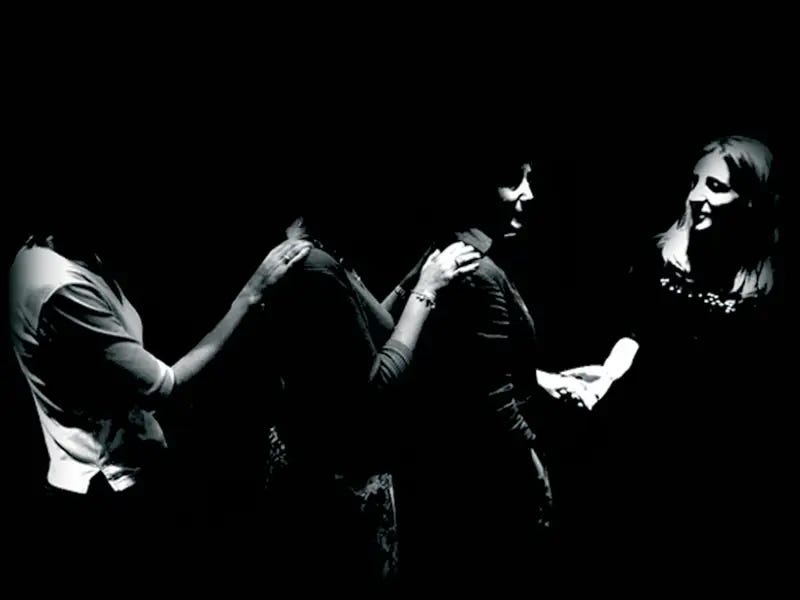
The big reveal was that the waiters and chefs were blind. In that room the sighted were the helpless ones, and the waiters moved through the dark with ease, a nightly lesson in living in someone else’s world. When the meal was over, diners took a blind server’s arm and were led back out into the world they understood better.
On Saturday, suburbia puts on its masks. Halloween is nominally about the frightening and the taboo, but it’s the masks that interest me more than the undead. Mostly they don’t change anyone. The kid in the Spider-Man suit still digs through the bowl for Nerds Rope, and the adult holding it still plays along: “And who are you supposed to be?”
The masks that do change us are the ones we hardly notice we’re wearing. The stranger in the next seat on a long flight. A surprisingly human conversation with a bill collector. The patient across from you in a doctor’s waiting room.
Each comes with the same quiet permission: I’ll never see this person again. That thought works like the dark room on 38th Street. It takes away the face, the reputation and the follow-up, and what’s left is often our most honest conversation.
Online, it has never quite worked. Imagine a dating service that skipped the hours of swiping on faces before anyone speaks to each other. You’d talk openly as an avatar, masked and anonymous, and after ten messages both masks would come off. Some surprises would sting. The one you clicked with looks wrong. The one who irritated you is gorgeous.
But somewhere in the middle might be an experience like the people who leaned across a dark table, said something true to a stranger, then took someone’s arm and let themselves be led out into the light. Freedom, honesty and trust.
And maybe, we don’t need masks at all.