
Passover, Plagues and Peace
The price of freedom is steep

Passover was always my favorite Jewish holiday. Each Spring, our family would pile in the car to go to Long Island for a Seder with a large group of relatives. I recall the smell of onion grass, the warmth of the air and the explosion of early blossoms on the trees. On the drive I’d study my Hebrew on flashcards, confused yet caught up in this ancient religion. Each seder was the same and each one was different.
Briefly, Passover is the story of the Jewish Exodus from Egypt, narrated by the participants. We’d usually set at a large oval table adorned with edible symbols of rebirth, from a lamb shank to eggs and salt water and herbs. All guests were given pillows to recline with the ease of Free People. Four glasses of wine are drunk, matzoh is eaten with haroseth (shredded apples and nuts) and bitter herbs, all while the leader narrates through the story’s main set-pieces.
These set-pieces include marking the plagues with drops of wine, having a child asking the Four Questions singing songs including “Dayenu” (A listing of miracles, each of which would have been “Dayenu” or “Enough). Finally, a glass of wine is placed outside the door for the prophet Elijah and the meal concludes by hiding a piece of matzoh (the Afikoman) which the children find in return for money.
It is lovely - filled with gratitude, connectedness and stories that celebrate freedom. The greatest treat is telling your children the story for the first time, translated as simply as you can manage. Mine picked up small pieces of the story and loved the wine.
When I reached a certain age, the plagues began to trouble me. Yes, Moses had warned the Pharaoh each time before cursing the Egyptians. Yes, there were 2M Jews in bondage of slavery. But as God ups the ante, from frogs to hail to vermin to cattle disease, I grew a little more queasy, watching my kids dip their fingers in the wine and onto their plates to mark each plague.
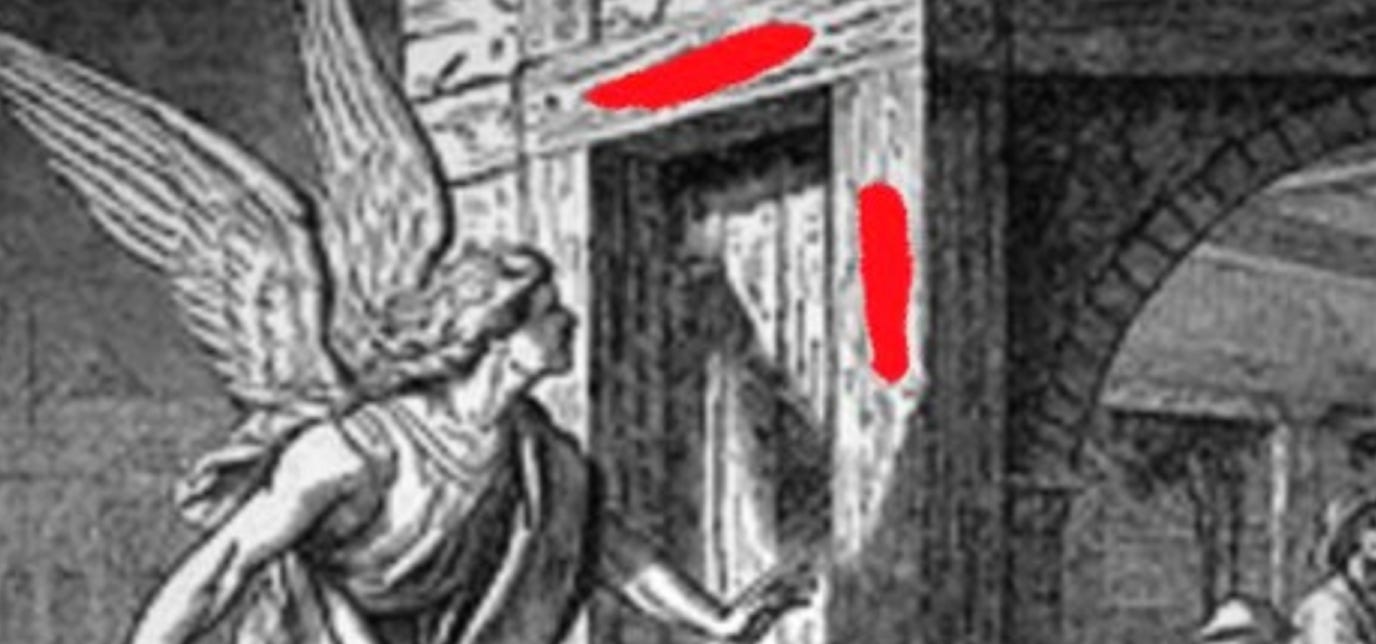
It doesn’t end nicely. Going through the motions till the final plague, the Death of the Firstborn, I imagined each ancient Jewish family in their ghettoes, marking the door in lamb’s blood before going to bed. The picture in our Haggadah of the Angel of Death was terrifying as was the description of the cries of the Egyptian mothers at dawn.
I guess you could say “It’s biblical” and be done with it. Perhaps, but I’ve never lived through a Springtime without deeper reflection. “How were they different from us?” “Why did all the firstborn need to die?” “Why didn’t God do this in the American South?”
The only way to find answers I is for us all to ponder what Freedom actually means. And slavery. I believe the first is hard-won and precious, often bought with blood. As for slavery, many of us live in servitude, whether in bad marriages, tormented by addiction or toiling in economic enslavement. The harshest slavery is that of which you’re not even aware.
I left out only one part, the story of the 4 sons. The Wise Son wants to learn the lessons of Passover. The Wicked Son excludes himself, thinking he’s special and not part of the tradition. The Simple Son asks a basic question and The One Who Doesn’t Know How to Ask is just lost. I think we’ve all known each state of mind.
Each refers to an attitude towards tradition and the divine - they show up in our relationship with out children and ourselves. This year in particular, we have so much to be frightened by and much to be angry about. I’ve always fancied myself the Wise Son but truthfully, I feel more like the Simple Son. That will have to do for now.
And so, Fellow Travelers, I wish that goodness will unfold for each of you and for all those I love. I pray that each of you will feel gratitude for freedom or, if in servitude, that you will move slowly towards the path of liberation. I pray that our collective divisiveness will melt and be replaced with peace and unity, just as miraculously as the crocuses rise each Spring in April.
Happy Pesach.
Well written my friend and enjoy the break.
👏❤️
Really excellent